written by Hayden Seder
In downtown Ketchum, next to Java and across from Rickshaw, there’s a small white building that houses the Environmental Resource Center (ERC). While this unassuming building may not look like much, the nonprofit organization it houses has been operating in the Wood River Valley for over 30 years, connecting people to nature through education and action. In addition to their current initiatives and programs, the ERC is now the new stewards of the Sun Valley Mountain Huts as well, opening up further possibilities of connecting locals and visitors with the area’s natural surroundings.
History of the ERC
The ERC got its start 32 years ago as just a handful of passionate locals who believed that environmental action and education were imperative to sustain the beauty of our area. What that looked like has changed greatly over the years, from leading beaver dam tours back in the day to starting some of the earliest conversations around recycling the Wood River Valley and ride-sharing, which then ultimately transformed into the start of Mountain Rides. While the forms it’s taken have varied over the years, the mission of the ERC to provide education and inspire action to cultivate a healthy local environment has never wavered.
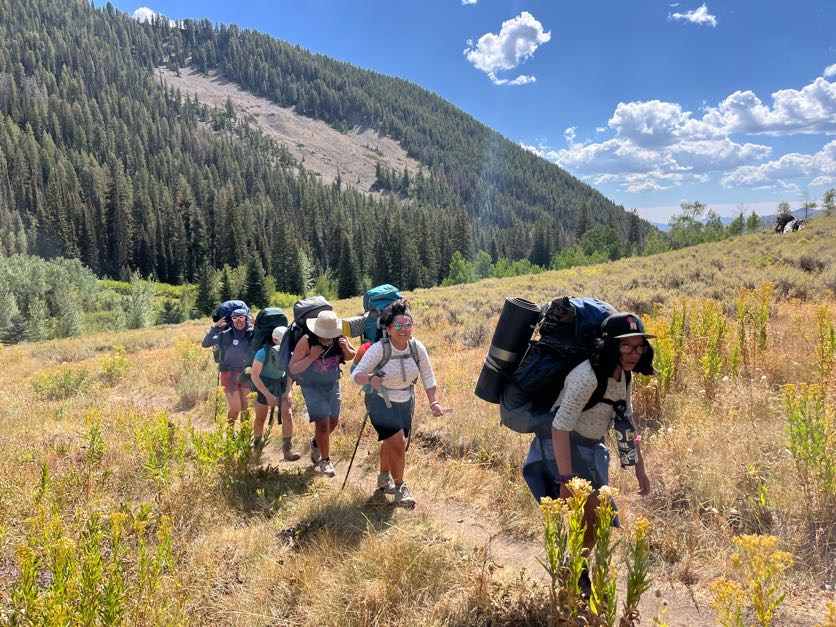
Even if you’ve never heard of the ERC, you’ve likely been impacted by one or more of their initiatives. Today, the ERC is focused on a few key areas and initiatives: environmental education, recycling, dog waste, and pesticide action. In terms of environmental education, the ERC’s youth programs provide hands-on learning through in-school and after-school programs, overnight summer camps, and partnerships to inspire passion and empower students to become the next generation of environmental leaders. The ERC’s Connecting People to Nature programs are intended for a wider audience of both residents and visitors to initiate conversations around important environmental issues. These include gallery walks, birding workshops, and winter tracking workshops.
The ERC’s community initiatives are three-fold and include dog waste, recycling outreach and action, and pesticide action. Pick Up for the Planet (PUP) is a program that lessens the negative environmental, health, and aesthetic impacts of unattended dog waste at 16 local trailheads by collaborating with the US Forest Service, Bureau of Land Management, and other user groups. The ERC provides educational signage, baggies, and weekly bin servicing at these highly trafficked trailheads throughout the Valley.
To assist in recycling efforts Valley-wide, the ERC partners with Blaine County 5B Recycles and Clear Creek Disposal to provide education on best recycling practices. Since 2002, the ERC has also been providing free recycling bins at community events like Ketch’em Alive, Ketchum Arts Festival, and the Sun Valley Arts and Crafts Festival to promote sustainability and produce less waste. The ERC’s own event, the annual Clean Sweep, has brought together volunteers since 1994 to clean up various parts of the area in spring.
Lastly, the ERC’s pesticide action program reduces the use of pesticides, herbicides, and chemical fertilizers. They advocate for integrated pest management practices, where non-chemical methods are considered first and foremost.
ERC and Sun Valley Mountain Huts
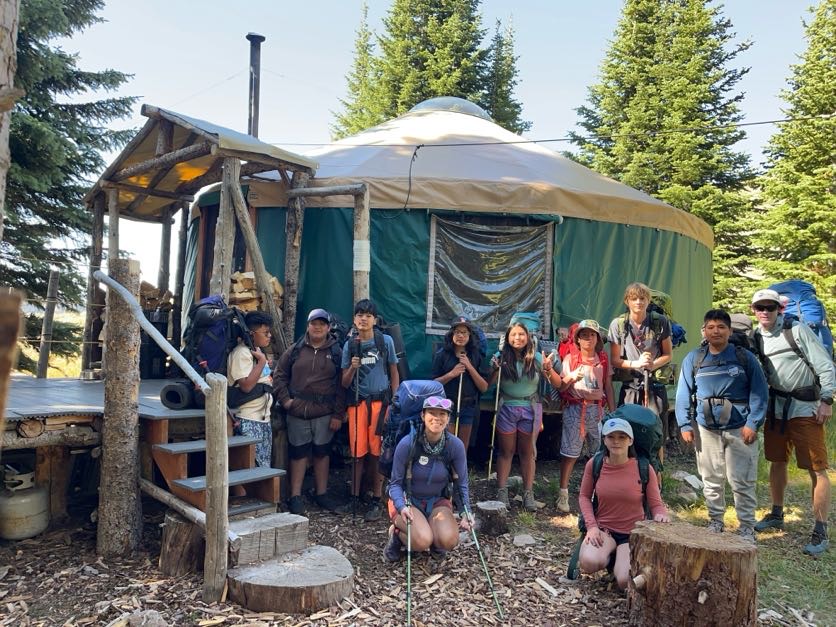
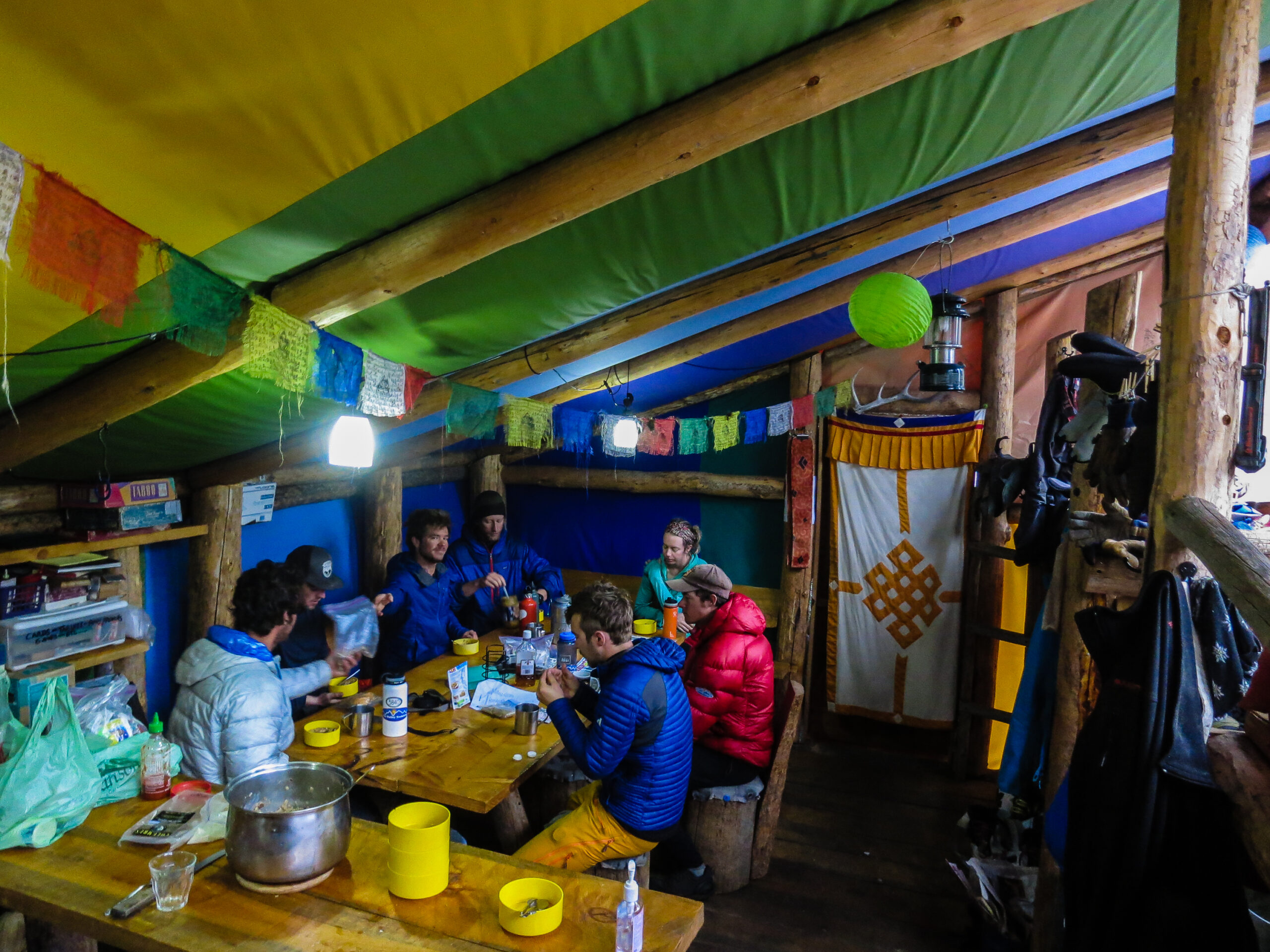
The Sun Valley Mountain Huts are a system of six backcountry yurts/huts that have serviced the backcountry of our area for over 40 years: Bench, Boulder, Pioneer, Coyote, Fishhook, and Tornak. These multi-season yurts have housed countless adventurers over the years and have seen a lot of history in that time. These huts got their start in the 1970s, when local Joe Leonard decided to start building ski huts in the Sawtooth Valley and created Leonard Expeditions. Leonard built his first yurt, the Fishhook yurt, in Iron Creek and was the first-ever yurt used as a backcountry ski hut; it still stands today. Leonard helped Sun Valley become the birthplace of hut skiing for the country, building several huts/yurts as well as other temporary backcountry homes for skiers, like a retrofitted school bus that he drove out 4th of July Creek and parked for the winters.
In 1982, Leonard sold the operation to Bob Jonas, who took over the two huts/yurts that Leonard had built (Bench and Fishhook) and moved them to their current locations and started what became known as Sun Valley Trekking. Jonas built three more yurts: Coyote, Tornak, and Boulder, and continued to provide backcountry hut services for the next 18 years.
In 2000, Joe and Francie St. Onge took over the business from Jonas and began rebuilding the five huts and eventually acquired the Pioneer yurt, which Sun Valley Heli Ski had built in 1988.
For decades, this hut system has provided backcountry shelter and access to the outdoors, as well as unforgettable moments of connection to nature and each other. As of fall 2025, the ERC is the newest owner in the legacy of these huts, stepping in to make sure that these structures continue to remain accessible to the public but also work with the ERC’s mission to provide environmental education. One of the biggest benefits to operating the huts is having a permanent home for the ERC’s summer EcoCamps, the longest running, non-religiously affiliated overnight camps in the region. In the past, these camps have worked in partnership with the Forest Service and 4-H Camp, being held in locations like Idaho Basecamp and Galena Lodge, but have been looking for a permanent home. With the huts being used by the public much less in summer and that being the peak time for programming at the ERC, this is a great fit. The ERC’s long-standing relationship with the Forest Service also makes managing these huts a natural extension of this relationship.
In terms of public access, the ERC has no intention of changing the business side of the huts, which will provide some necessary income to help fund the ERC’s many programs and initiatives.
Changing of the Guard
Putting these backcountry huts into the hands of a public organization and community ownership has long been the goal of Joe and Francie St. Onge, who took over the huts in 2000. Though they were technically “owners,” Joe and Francie saw themselves more as stewards of the hut system and providers of a community service, which is why, about 15 years ago, they got the idea that the huts should be community owned in some way. How to make that happen was uncertain, and why it’s taken this long to transfer ownership, though many people have expressed interest in taking over the business over the years, from past employees, employees of other guiding outfits, or other organizations. When the ERC approached them, the St. Onges realized this partnership aligned in terms of mission and goals, and they proceeded over the summer of 2025 to hash out the details of transferring ownership.
Given the St. Onges’ experience with the huts, from personally investing blood, sweat, and tears in rebuilding each hut to chopping countless cords of wood and keeping the huts going through each season, Joe and Francie plan to support the ERC in every possible way going forward. Jon Preuss is taking over as hut director, giving Joe the freedom to do more of his primary focus: guiding, both at the local and international level.