
Written by Hayden Seder
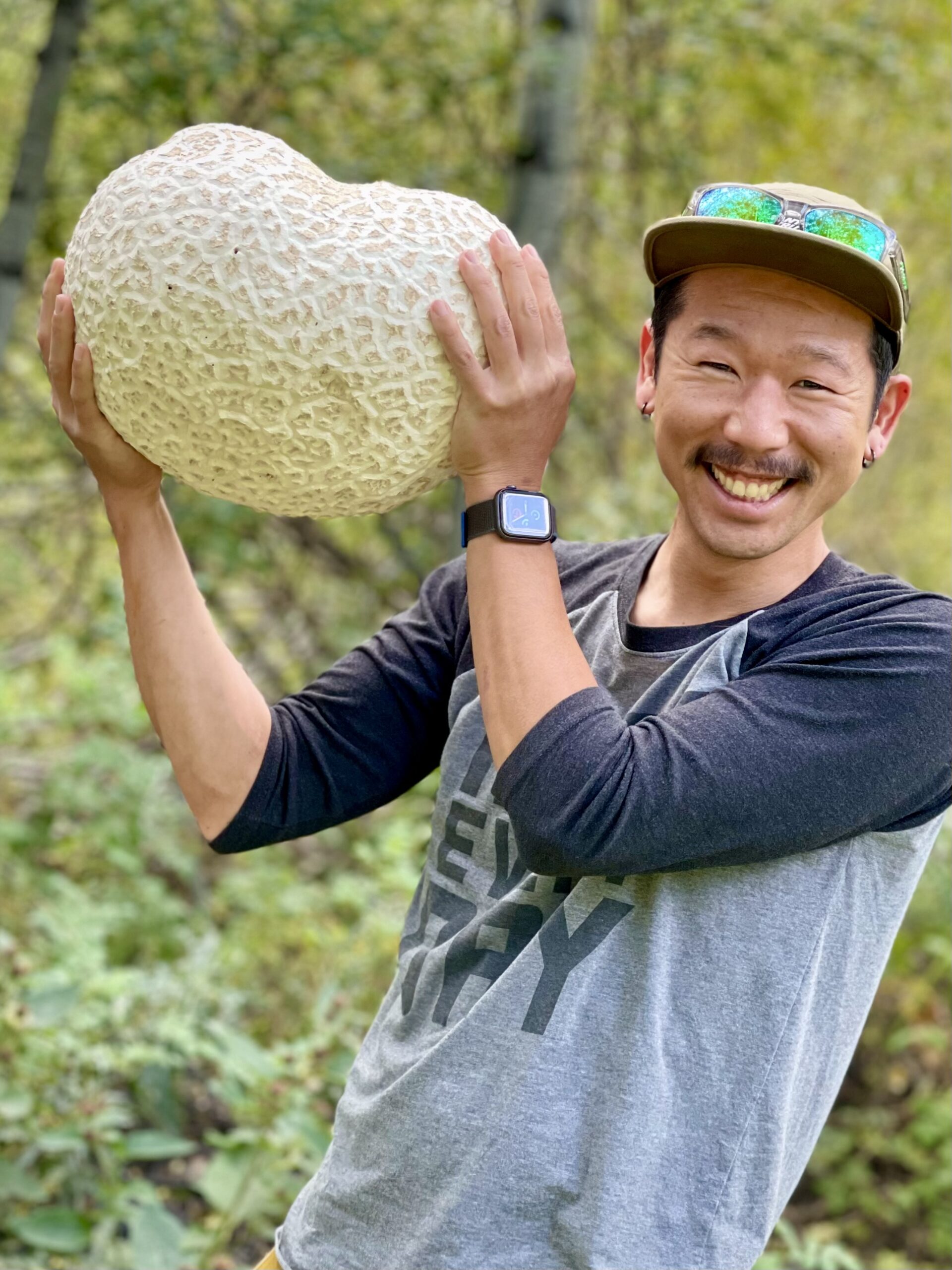
In a small garage space by the airport in Hailey is the production facility for Idaho’s first sake brewery: Satori Sake. While the Wood River Valley may not seem like the most obvious place to launch a sake business, for owner and brewmaster Shin Hasegawa, quitting his job in tech, moving to the Wood River Valley, and tapping into his Japanese heritage ended up being a “satori” moment for him—and one that sake lovers in Southern Idaho have responded to with enthusiasm.
How It Started
Like so many others who move to the Wood River Valley, Shin was looking for a change. After leaving his home of Tokyo, where he trained as a sushi chef, he moved to California and worked as a sushi chef before eventually relocating to the Bay Area to work in tech. Though he had left Japan, he brought a piece of home with him, through making fermented foods at home: beer, kombucha, miso paste, soy sauce, and kimchi. Eventually, he quit his job and moved to Ketchum in 2020, unsure what his next move was. His “satori” moment (satori is the Japanese Buddhist experience of awakening) came on the chairlift, when he realized that perhaps he could combine his passion for Japanese fermented foods and his new home in the mountains.
Despite his foray into fermented foods in the past, Shin wasn’t prepared for the difficulty and nuance of making sake. The drink itself contains only four ingredients—water, yeast, rice, and koji—but it’s this last ingredient that is truly an art unto itself to create. Koji is essentially a fermented rice fungus that’s used as the starter for lots of Japanese fermented foods (like miso, soy sauce, mirin) much the same way sourdough starter is used to make bread.
After throwing out many bad batches, he finally perfected his koji and sake recipe and started brewing small batches, ramping up production over time until he was at the level to attempt making his sake commercially.

Making the Sake
All Satori Sake is handmade and bottled by Shin at his production facility in Hailey, which he shares with Sun Valley Mustard. Given that there’s just four ingredients in sake, Shin works to ensure those four ingredients are of the highest quality and impart a taste of the great area he now calls home. Using the clean, pure mountain water of the Big Wood River was one of Shin’s original inspirations to brew sake—good sake is only as good as the water it’s brewed with. His yeast is imported from Japan, the same strain that sake brewers have used for centuries to craft traditional sake. His rice is from Isbell Farms, a multigenerational family rice farm in Central Arkansas with a long history of sustainable practices and land stewardship, and his koji is created in-house.
Each batch of roughly 200 bottles takes about six weeks to produce, and with his current production abilities, he makes just one batch a time, making his sake that much more of a treat to get your hands on.

The Sake and Where to Buy
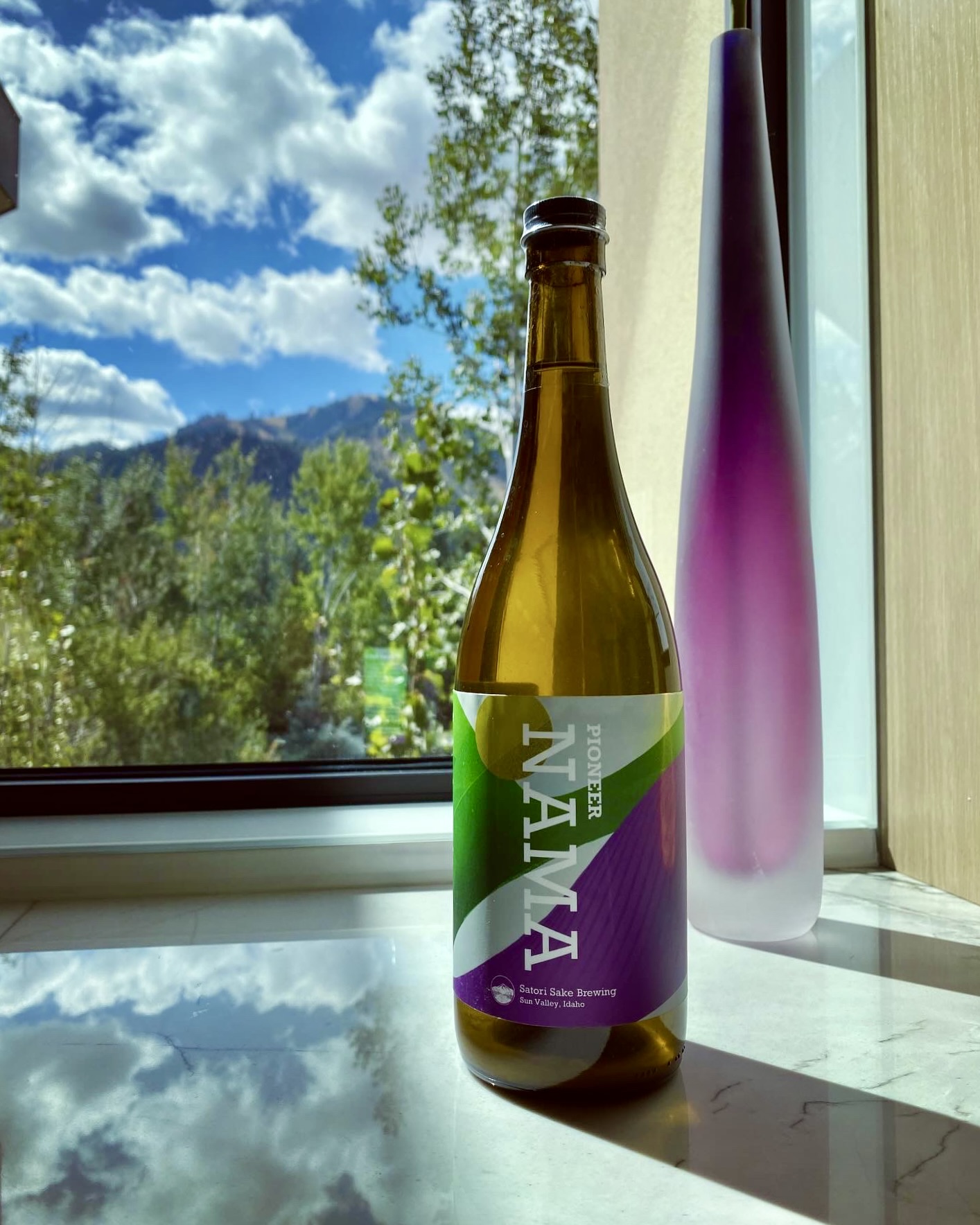
The final product is called Pioneer Nama, a “raw” sake in that it is not pasteurized (unlike most sake you find in stores), giving his sake a more robust flavor profile and golden hue (and meaning you’ll need to drink it faster!) Shin has occasionally also done some limited productions, like his White Cloud Nigori.
Shin has also recently begun using some of the sake processing byproduct to create new products, including a collaboration with Toni’s Sun Valley Ice Cream to make a sake ice cream. This uses the sake kasu (sake lees), a fermented byproduct rich in nutrients. He has also created a vegan sake kasu dip, which will be available at both the Wood River Farmers Market and Boise Farmer’s Markets next season, where he also sells his sake.
Satori Sake is available for purchase directly through their website as well as Ketchum Kitchen’s, Café Della, Atkinson’s, and is available on menus at Boise’s KIN/Art Haus and Ketchum’s Rickshaw and Sushi on Second.